
Biohazard Cleanup in Phoenix, AZ
Bloodborne pathogen, unattended death, crime scene, trauma, and hoarding remediation — OSHA 29 CFR 1910.1030 protocol, discreet crews, regulated-waste disposal, 24/7.
Biohazard Cleanup Services in Phoenix
Phoenix Restoration Solutions handles biohazard and trauma remediation across the Phoenix metro under OSHA 29 CFR 1910.1030 — the bloodborne pathogen standard. The same containment discipline as our mold work, applied to biological hazards: full PPE, containment, HEPA filtration, and regulated-waste disposal. We serve Phoenix, Scottsdale, Glendale, Peoria, Paradise Valley, Tempe, and Chandler, 24/7. Work performed by Drip Restoration, ROC #324316.
Bloodborne Pathogen Cleanup
Blood and bodily-fluid remediation under OSHA 29 CFR 1910.1030 — full PPE, containment, EPA-registered hospital disinfectants, and regulated-waste disposal.
Unattended Death & Decomposition
Decomposition remediation after an undiscovered death — biological removal, odor neutralization, and structural decontamination of affected materials.
Crime Scene Decontamination
Discreet blood and bodily-fluid remediation after a crime scene release, coordinated with law enforcement and documented for the property record.
Trauma & Accident Cleanup
Accident, injury, and self-harm scene remediation — compassionate, discreet, same-day response with full biological decontamination.
Hoarding Remediation
Biological contamination, regulated-waste disposal, and structural decontamination sorted with the occupant — valuables and documents preserved.
Sewage & Category 3 Black Water
Sewage backup and ground-surface water are Category 3 biohazards — full containment, porous-material removal, antimicrobial application, and HEPA filtration.
Specialized scopes under our biohazard service include crime scene cleanup in Phoenix, trauma cleanup in Phoenix and hoarding cleanup in Phoenix.
How Biohazard Remediation Works
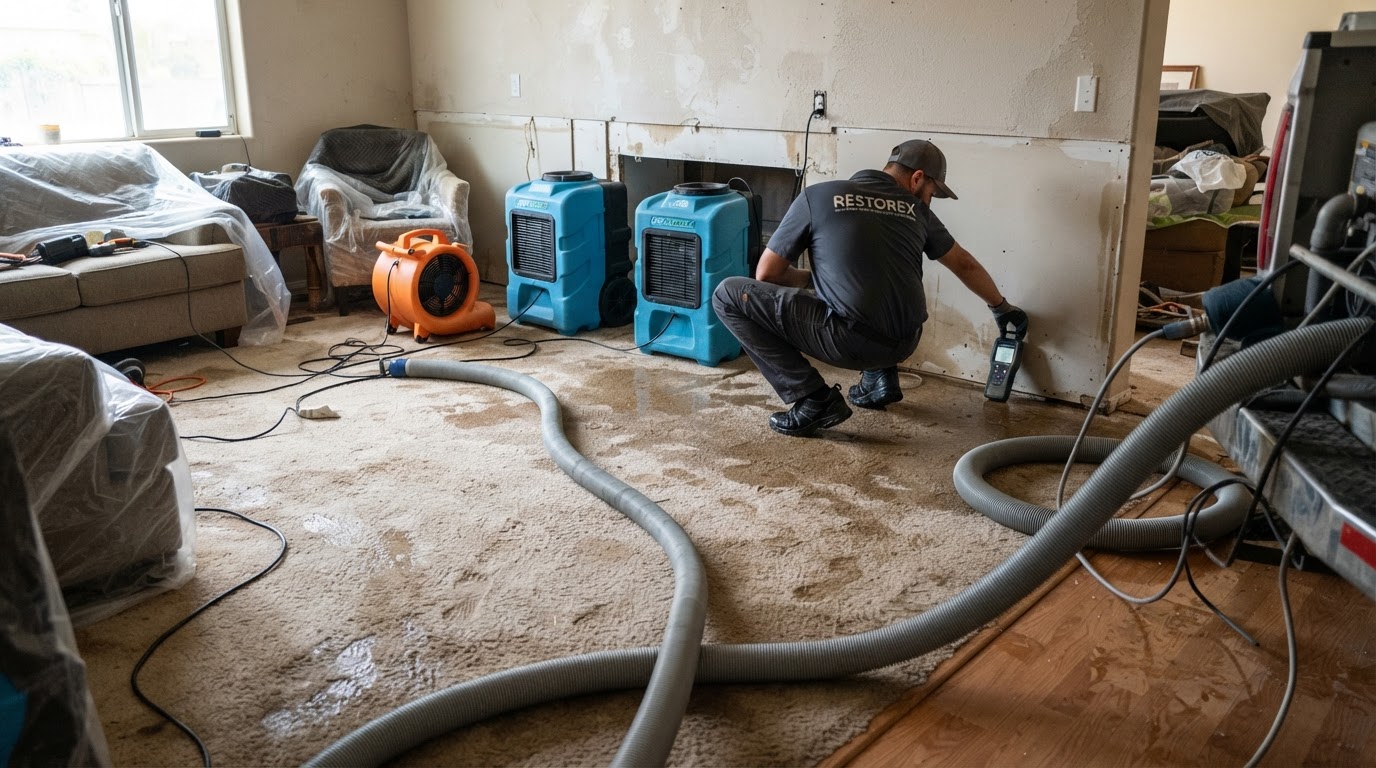
Biohazard remediation is governed by OSHA 29 CFR 1910.1030, the bloodborne pathogen standard, and the method is containment-first — the same discipline as our IICRC S520 mold work, applied to biological hazards. We build containment, dress in full PPE — Tyvek, double-gloving, full-face respirator — and place the area under negative pressure with HEPA-filtered negative air machines so airborne pathogens do not migrate.
Inside containment, porous materials that contacted biological hazards are removed and bagged as regulated waste; non-porous surfaces are cleaned, then treated with EPA-registered hospital disinfectants. Air scrubbers run throughout. The regulated waste is packaged, transported, and disposed of as medical waste with a chain-of-custody trail — it never reaches a standard landfill.
The job ends with verification — surface testing where the scene warrants it, odor confirmation, and a documented decontamination record. For Category 3 sewage, the scope follows the same containment and removal discipline and ties back to our water damage restoration process.
Active water loss? Every hour changes the scope and the bill. Call now — crews on site within 60 minutes.
(602) 584-2897What Makes a Scene a Biohazard
A scene is a biohazard when biological material — blood, bodily fluids, decomposition, sewage, or accumulated waste — presents a pathogen exposure risk. The risk is not visible staining; it is what the material carries and how deeply it has penetrated porous surfaces. A small visible spot can mean a much larger contaminated envelope behind and beneath.
That is why biohazard cleanup is not a cleaning job. Standard cleaning redistributes pathogens rather than removing them; proper remediation contains, removes, and disinfects under a documented protocol. Attempting a biohazard scene without PPE and containment exposes the person cleaning and leaves the space contaminated.
Cost and Insurance
Biohazard remediation cost scales with the affected area, the type of hazard, and whether porous materials must be removed and disposed of as regulated waste. A contained single-room scope costs less than a multi-room decomposition or hoarding remediation. We scope the loss before quoting.
On insurance: a biohazard loss tied to a covered sudden event may fall under the policy, but unattended death and hoarding remediation are often out of pocket. We document the scope and the cause so you can take it to your carrier either way.
Frequently Asked Questions
Sometimes. A biohazard loss tied to a covered sudden event — a burst pipe that contaminated a space, or a covered crime scene release — may fall under the policy. Unattended death and hoarding remediation are often out of pocket. We document the scope so you can take it to your carrier.
Get a free assessment today
Whether it's happening right now or you found a stain this morning, our crew can be on site within 60 minutes. Call the emergency line or send a few details and we'll call you back.
Call (602) 584-2897